How Manufacturer Certification Programs Actually Differ From Each Other
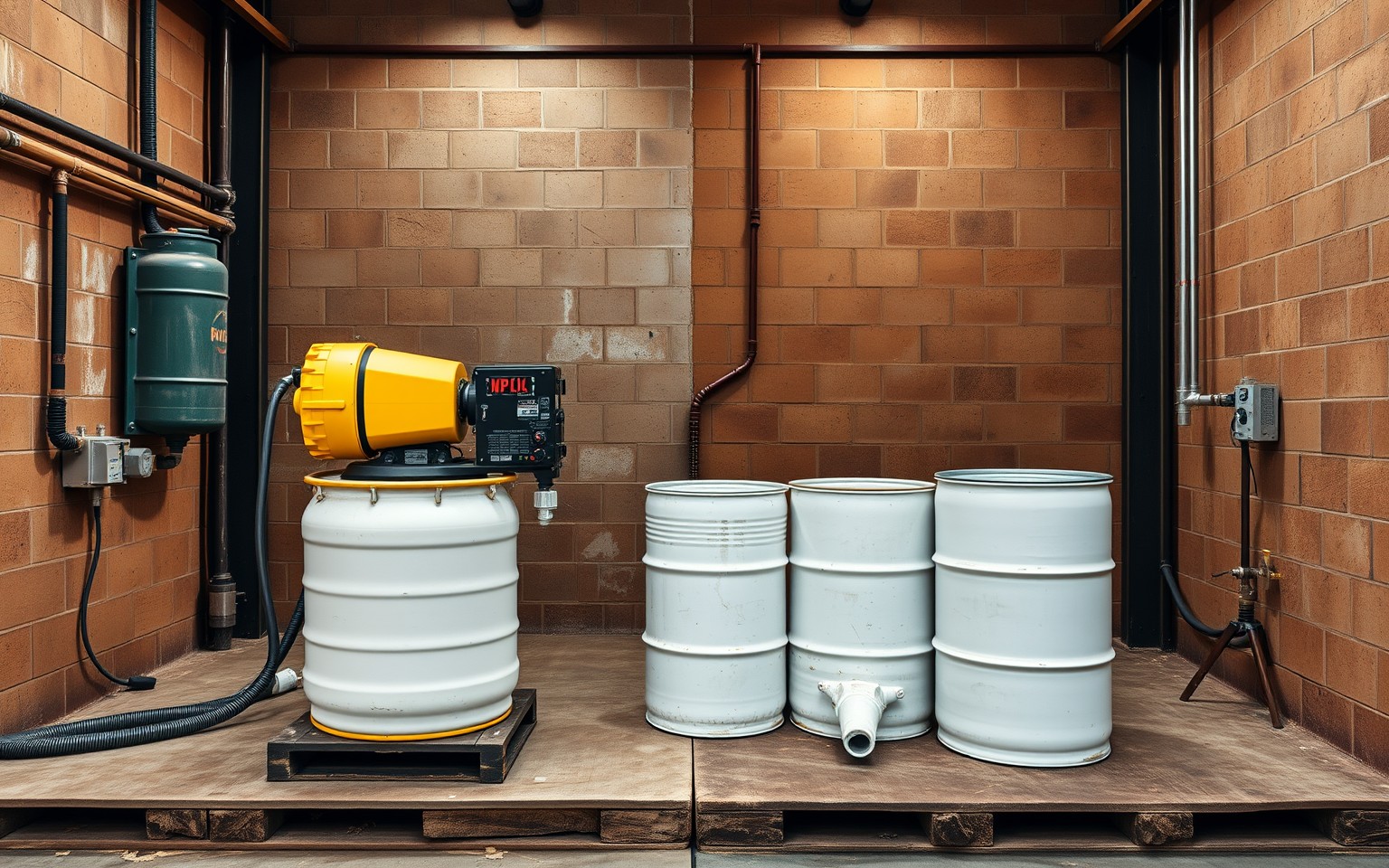
Ask two installers certified by different manufacturers what their certification involved, and you'll often get two fairly different answers. That's not inconsistency in reporting — manufacturer certification programs genuinely aren't standardized against each other the way an industry-wide credential is. Here's a neutral look at what actually varies.
Why There's No Standard Format to Compare Against
Because each manufacturer designs its own certification program around its own chemistry, equipment recommendations, and business priorities, there's no shared template the way there is for an accredited industry-wide credential. One company's program might emphasize a single intensive in-person training session; another might spread training across an initial session plus follow-up field verification. Neither approach is inherently better — they reflect different companies' judgment about what actually prevents application problems with their specific product.
What Tends to Be Consistent Across Programs
Despite the structural differences, a few things tend to hold across most manufacturer certification programs. They're generally required before you can purchase or apply that company's chemistry at all — this is as much a purchasing gate as a training credential. They're narrowly focused on that specific product's ratio, application parameters, and equipment setup, rather than general industry knowledge. And they typically don't transfer if you switch to a different manufacturer's system, since the training was specific to the product you were certified on.
Where the Real Differences Show Up
The differences that actually matter to an installer choosing between manufacturers tend to be practical ones: how much ongoing support and field verification the program includes after initial certification, how the company handles retraining if you have a quality issue on a job, and how responsive their technical support is when you run into an application problem outside a formal recertification. These aren't things you'll find clearly compared in marketing material — they're worth asking about directly, and ideally worth asking other installers who've actually worked with a given manufacturer's program.
A Word on Ratio and Equipment Requirements Specifically
Because manufacturer certification is tied to specific product ratios and equipment calibration, switching between manufacturers' systems isn't just a paperwork change — it's a genuine retraining need, since misapplying a different product's ratio using habits from another system is a real quality and safety risk. This is one of the more concrete, practical reasons manufacturer certification doesn't transfer, beyond the purely administrative explanation.
Where This Leaves You
If you're choosing a primary manufacturer relationship, the certification program itself is one input among several — alongside product cost, availability, and existing relationships in your region — but not something to treat as interchangeable across companies without actually asking what each program specifically involves. And if career portability across manufacturers matters to you, that's exactly where an accredited, manufacturer-agnostic credential like SPFA PCP fills the gap that no single manufacturer's program is designed to fill.
For the fuller comparison between manufacturer certification and industry-wide credentials, see our certification comparison guide.